
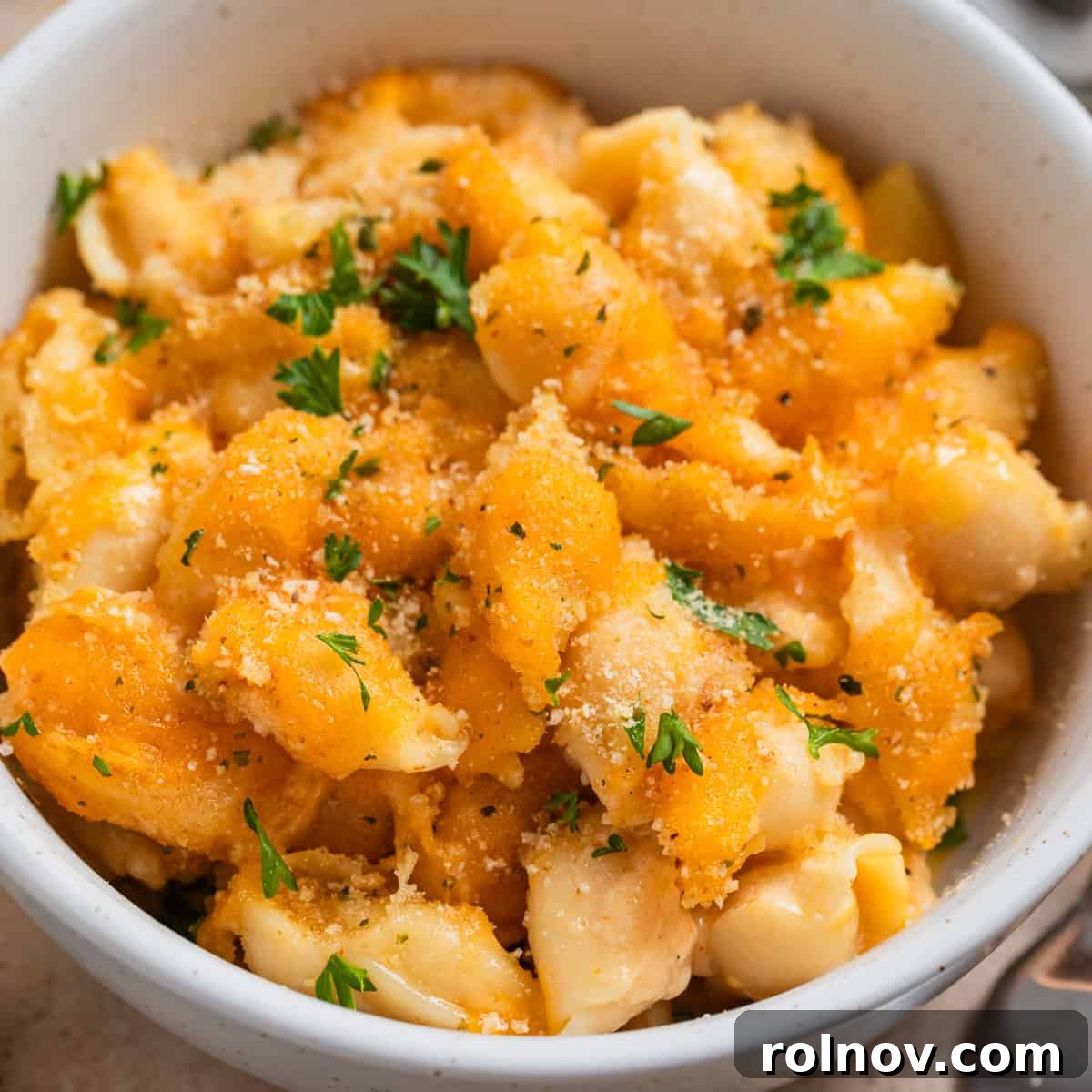
Fuel Your Day: The Ultimate High-Protein Mac and Cheese Recipe
Transform your comfort food cravings into a powerhouse meal with this incredible High-Protein Mac and Cheese! Designed to satiate and energize, each generous serving delivers an impressive 25 grams of protein. This recipe is not just nutritious; it’s incredibly delicious and effortlessly simple to prepare, whether you prefer it creamy from the stovetop or golden-baked to perfection.
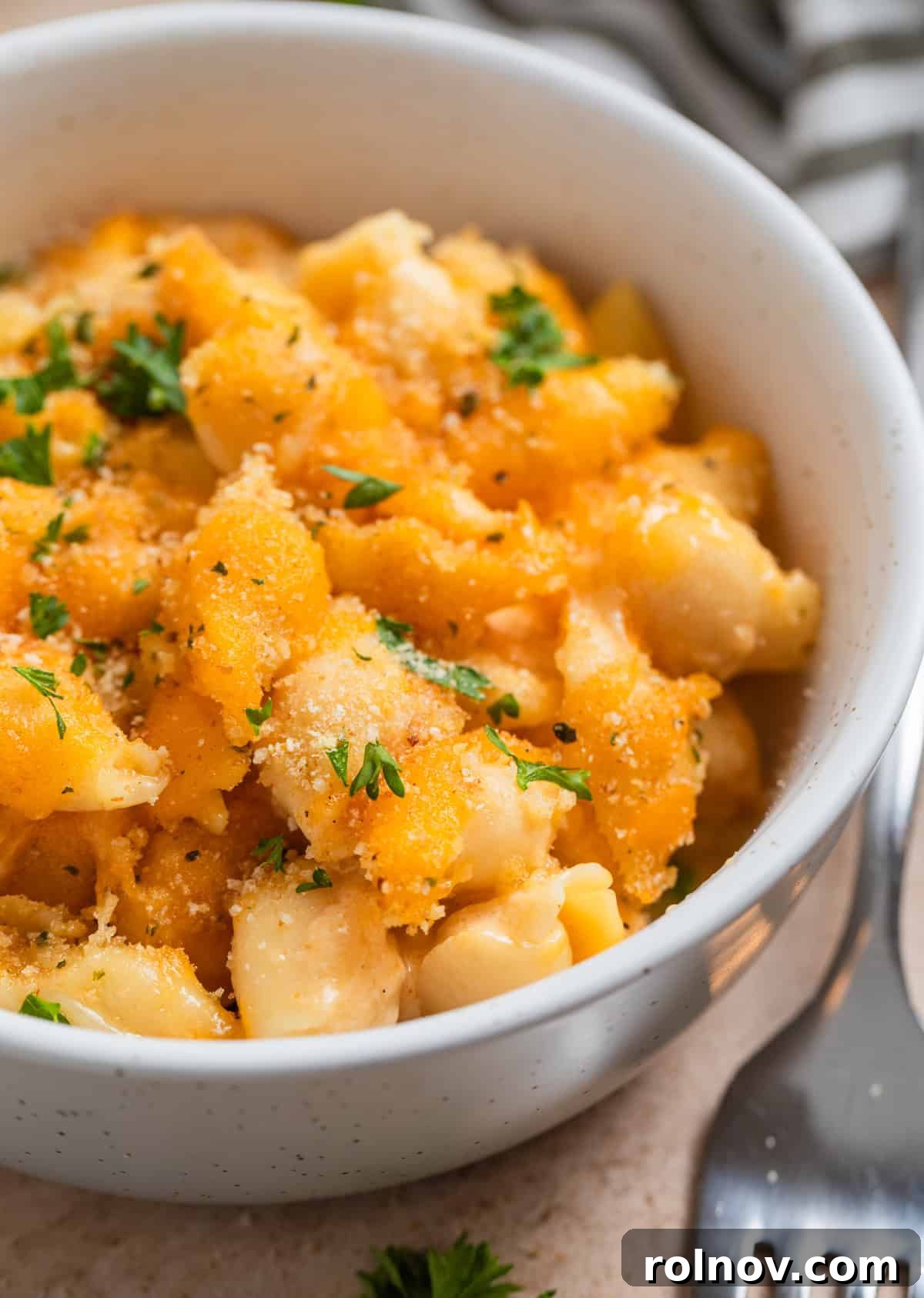
Macaroni and cheese holds a special place in our hearts as the ultimate comfort food. But what if you could enjoy that beloved cheesy goodness while also boosting your protein intake and supporting your health goals? This revolutionary recipe does just that! By incorporating smart swaps like protein pasta and Greek yogurt, we’ve elevated classic mac and cheese into a truly nourishing and incredibly satisfying meal. Say goodbye to guilt and hello to delicious benefits!
If you’re a true mac and cheese aficionado, prepare to add this recipe to your rotation alongside other favorites like our Easy Instant Pot Mac and Cheese and the luxurious Gruyere Cheddar Mac and Cheese. Each offers a unique twist on the classic, promising a delightful culinary adventure.
What Our Satisfied Readers Are Saying
⭐️⭐️⭐️⭐️⭐️”This is absolutely delicious! I’m seriously addicted. I’m a diabetic and have been missing Mac n Cheese this is a fantastic alternative option. So happy I found this recipe.” (Leah G.)
⭐️⭐️⭐️⭐️⭐️”We had this for dinner last night and LOVED it! We roasted cauliflower and broccoli and added them to the mix before we baked it – SO GOOD! This will definitely be on our rotation.” (Katie)
Why You’ll Fall in Love with This High-Protein Mac and Cheese
This isn’t just another mac and cheese recipe; it’s a culinary triumph that combines taste with unbeatable nutritional advantages. Here’s why this dish is poised to become a staple in your kitchen:
- Effortless Preparation with Minimal Ingredients: Forget complicated steps and long ingredient lists. This recipe focuses on simple, accessible components and straightforward instructions, making it perfect for busy weeknights or when you need a quick, satisfying meal.
- A Guaranteed Kid-Friendly Hit: Even the pickiest eaters will adore the rich, creamy texture and familiar cheesy flavor. It’s an ideal way to introduce more protein into their diets without them even knowing it!
- Quick and Easy to Prepare: From start to finish, this mac and cheese comes together in under an hour. Whether you opt for the stovetop or a baked finish, you’ll have a delicious, high-protein meal on the table in no time.
- Unforgettable Cheesy, Tangy, and Delicious Flavor: The secret lies in the combination of sharp cheddar and the subtle tang of Greek yogurt, creating a complex flavor profile that’s both comforting and exciting. Each bite is a creamy, dreamy explosion of taste.
- Transforms a Side Dish into a Complete, Wholesome Meal: Thanks to its impressive protein content, this mac and cheese isn’t just a side; it’s a full meal in itself. It’s an excellent way to ensure you’re getting adequate protein, which is crucial for muscle repair, energy, and overall satiety. No need to worry about being hungry an hour after dinner!
What Cheeses Offer the Most Protein?
Cheese often gets an unfair reputation, but it can actually be a fantastic source of protein, alongside healthy fats and calcium. When looking to maximize protein, certain varieties stand out.
Parmesan and Romano cheeses are champions, boasting some of the highest protein content per ounce. Close behind, and a key player in this recipe, is cheddar cheese, which typically provides around 7 grams of protein per ounce. This makes cheddar not just a delicious choice for its sharp, familiar flavor, but also a strategic one for boosting the nutritional value of your mac and cheese.
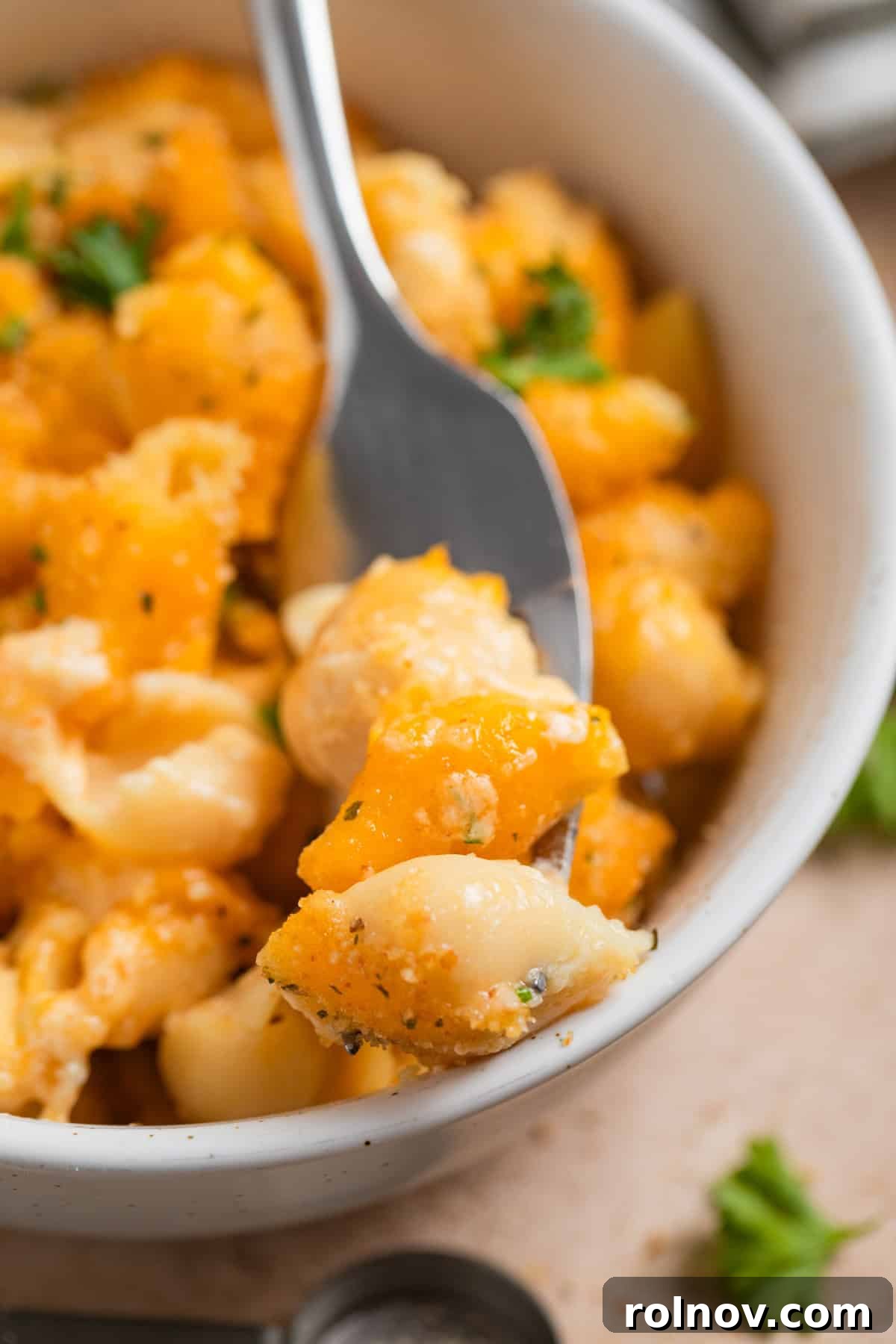
Key Protein Boosters in This Recipe
The magic of this mac and cheese lies in its cleverly chosen ingredients, each contributing significantly to the high protein count. Here’s a breakdown of the power players:
- Protein Pasta: This is arguably the biggest game-changer. Chickpea pastas, for example, can boast double the protein or even more compared to traditional wheat pasta. Brands like Banza offer an impressive 23 grams of protein per serving! While chickpea pasta is fantastic, especially for gluten-free diets, other protein-enriched wheat pastas (like Barilla protein pasta) also work wonderfully, often maintaining a more familiar texture. Be mindful that many protein-added wheat pastas are not gluten-free, so check labels carefully based on your dietary needs.
- Greek Yogurt: A true superfood, Greek yogurt is an incredible source of protein and adds a lovely tangy creaminess to our cheese sauce. An average serving can provide 12-17 grams of protein. For the best results and a smooth, luxurious sauce that resists curdling, we highly recommend using full-fat plain Greek yogurt. It blends seamlessly and adds depth of flavor.
- Cheese: As highlighted earlier, cheddar cheese isn’t just for flavor; it’s a solid protein contributor. The amount used in this recipe adds a substantial 7 grams of protein per serving, enhancing both the taste and the nutritional value.
- Milk: A fundamental ingredient in any creamy cheese sauce, whole milk provides essential moisture and richness. Each cup contributes approximately 8 grams of protein, rounding out the protein profile of our mac and cheese beautifully.
Step-by-Step: Crafting Your Ultimate Protein Mac and Cheese
Making this protein-packed mac and cheese is a straightforward process. Follow these detailed steps for a perfectly creamy and delicious result.
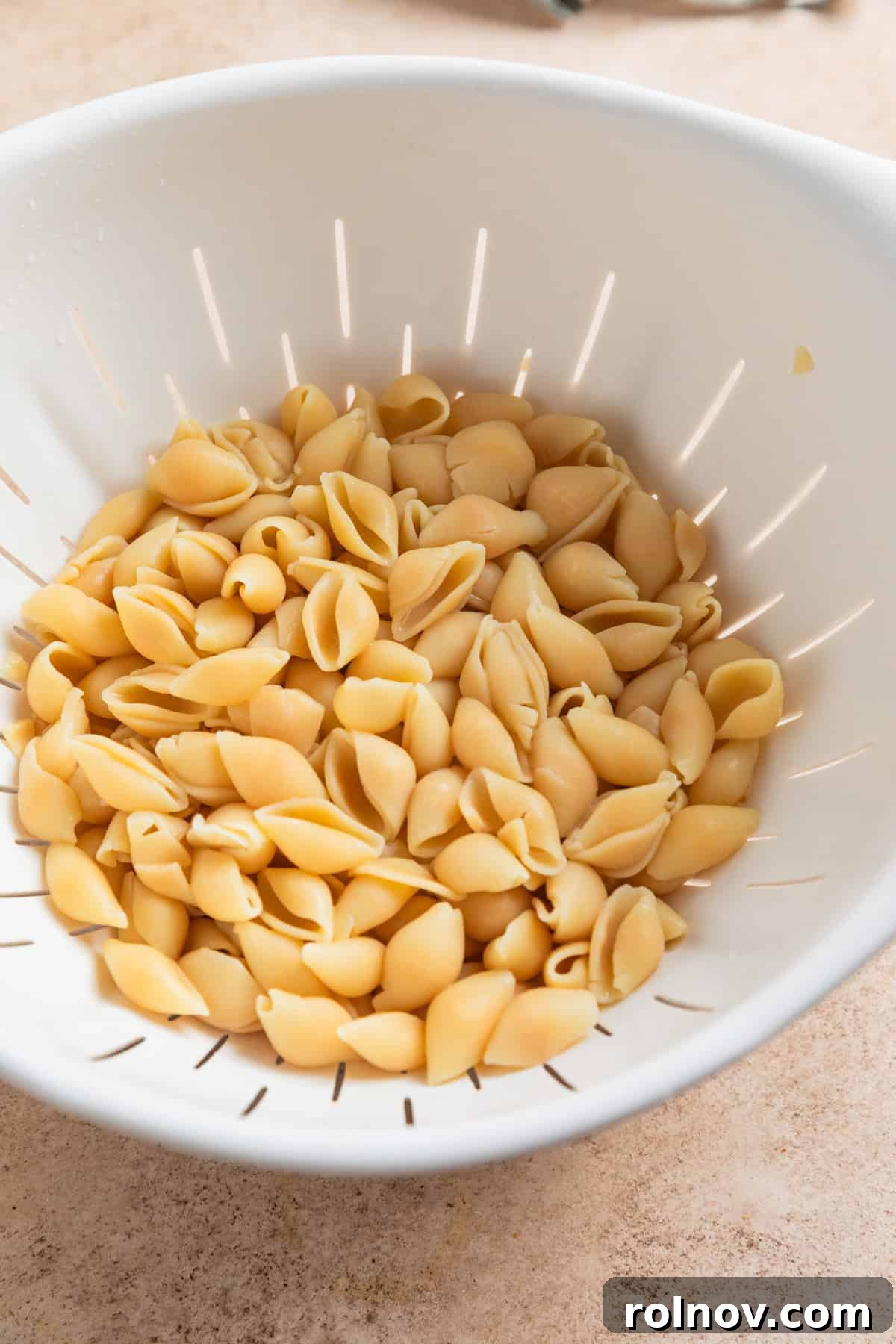
Step 1: Cook the Pasta to Al Dente. Bring a large pot of salted water to a rolling boil. Add your chosen protein pasta and cook according to the package directions until it reaches an al dente texture. This means it should be firm to the bite, not mushy. Pay particularly close attention when using chickpea or lentil-based pastas, as they can sometimes overcook quickly. If using a classic flour-based protein pasta (like Barilla), they generally hold up very well. Once cooked, drain the pasta thoroughly and set it aside.
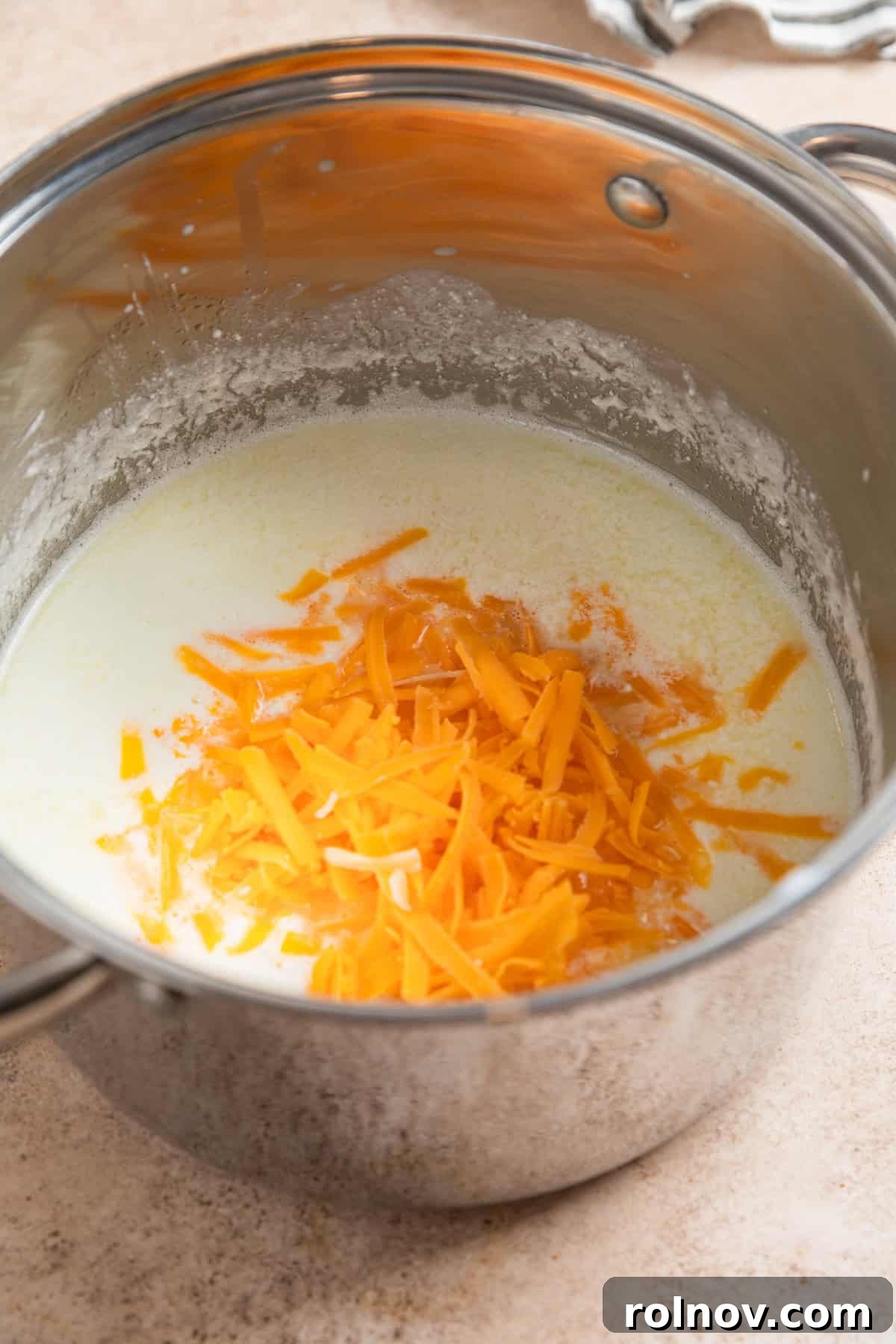
Step 2: Prepare the Creamy Cheese Sauce Base. In a separate medium saucepan (or the same pot, after letting it cool for a few minutes and wiping it clean), combine the Greek yogurt, unsalted butter, and whole milk. Place the saucepan over low heat. Whisk continuously until the mixture is completely smooth and the butter has melted. Gradually add one cup of your shredded cheddar cheese, stirring constantly until it fully melts and integrates into the sauce. If needed, you can slightly increase the heat to medium-low to help the cheese melt more efficiently, but avoid high heat to prevent scorching or curdling. Once smooth, add another half cup of shredded cheese and continue to stir until melted. Finally, stir in your chosen seasonings: garlic powder, paprika, salt, and pepper.
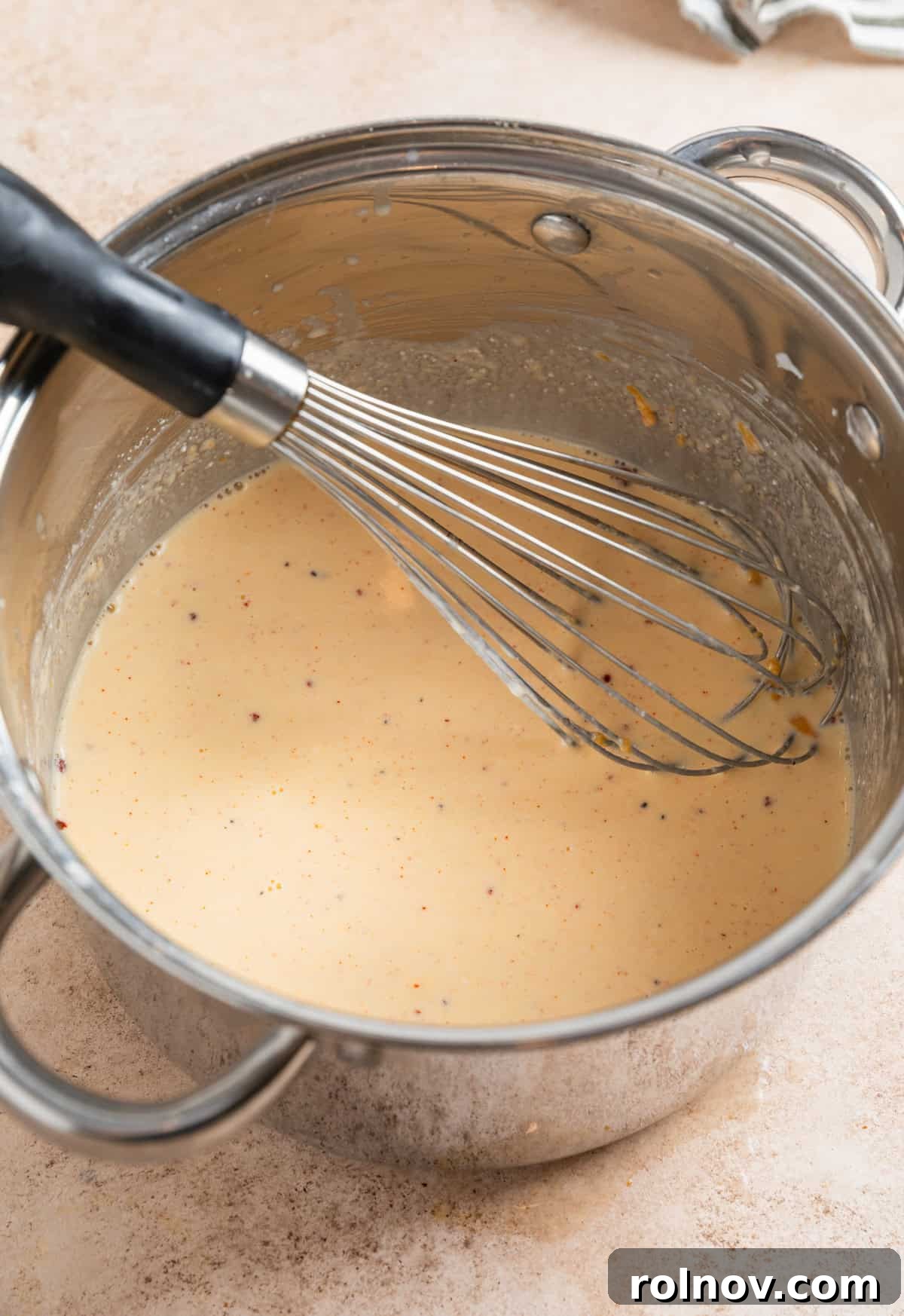
Step 3: Achieve Ultimate Smoothness. Continue whisking the cheese mixture until it’s beautifully smooth and free of any lumps. At this stage, taste the sauce and adjust the seasonings as desired. You might want to add a pinch more salt, pepper, or even a dash of cayenne for a subtle kick.
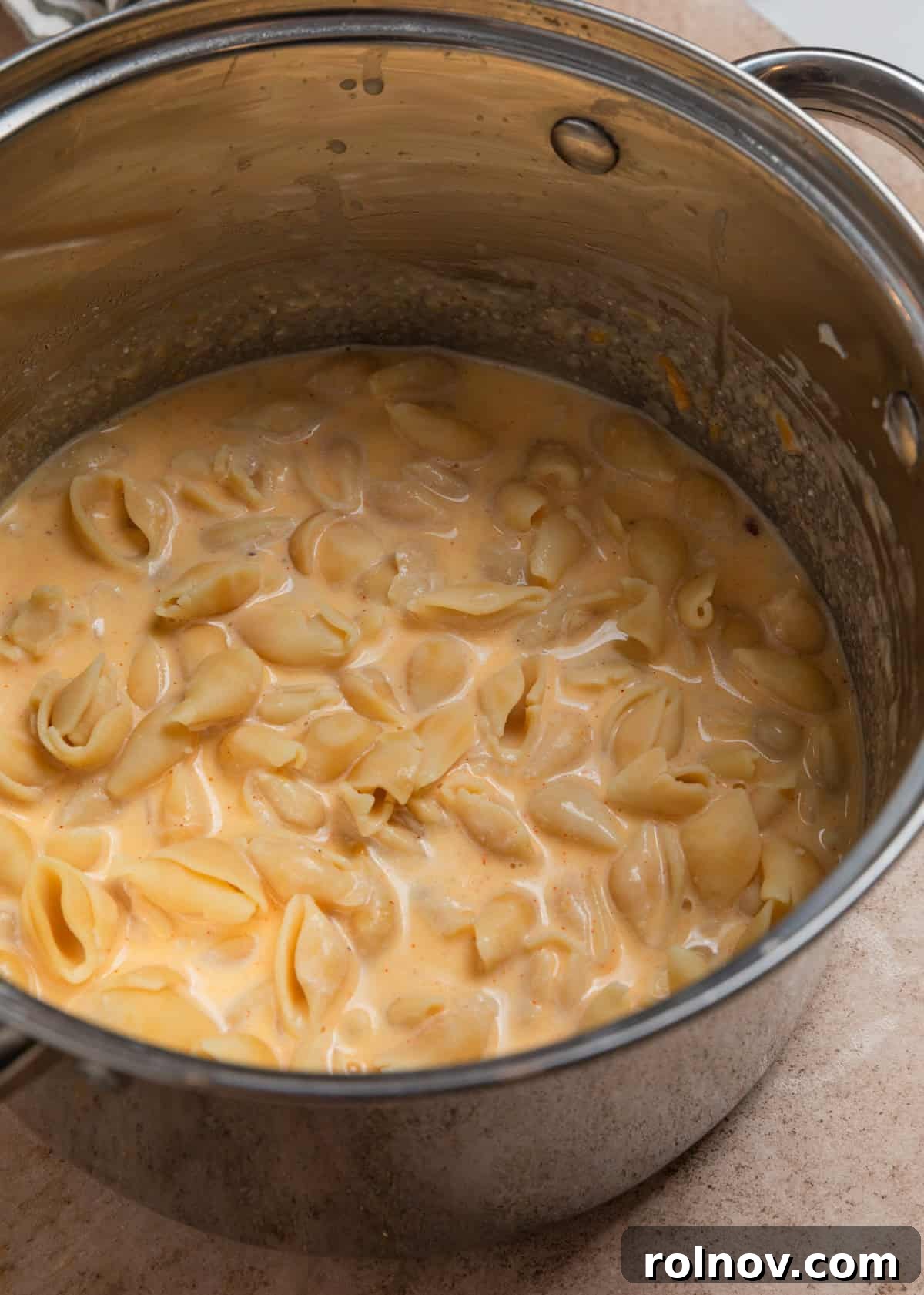
Step 4: Combine Pasta and Sauce. Add the drained, cooked pasta directly into the saucepan with the cheese sauce. Gently toss and stir until every piece of pasta is thoroughly coated in the rich, creamy sauce. At this point, your mac and cheese is ready to be served directly from the stovetop, or you can proceed to the next steps for a baked version.
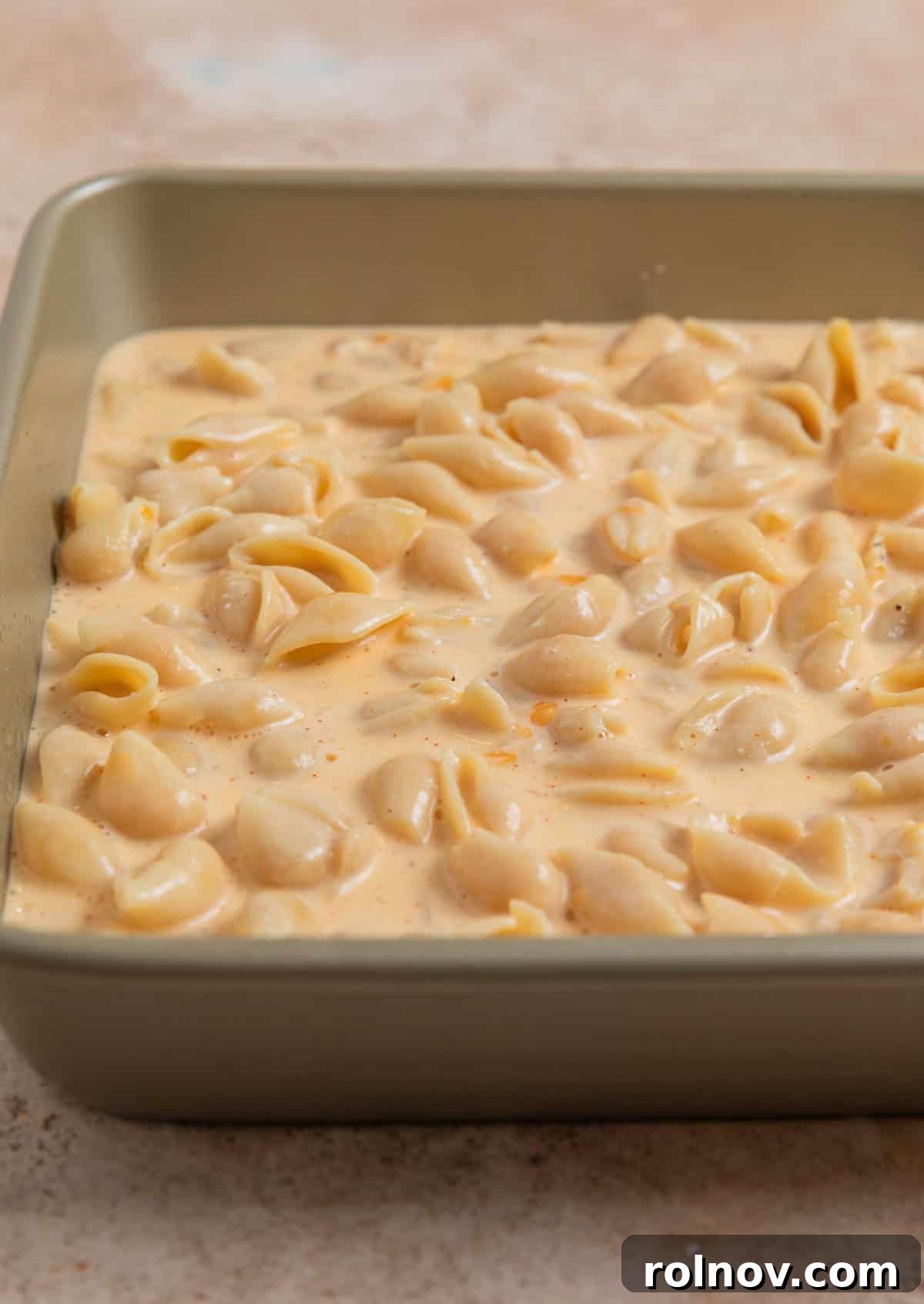
Step 5: Prepare for Baking (Optional). If you prefer a baked mac and cheese with a golden, bubbly top, preheat your oven to 375°F (190°C). Lightly spray an 8×8 inch or 9×9 inch baking pan (or a similar casserole dish) with cooking oil to prevent sticking. Pour the mac and cheese mixture into the prepared dish, spreading it into an even layer. For an extra layer of cheesy goodness and a delightful crunch, sprinkle the remaining shredded cheese over the top, along with panko or regular breadcrumbs if desired.
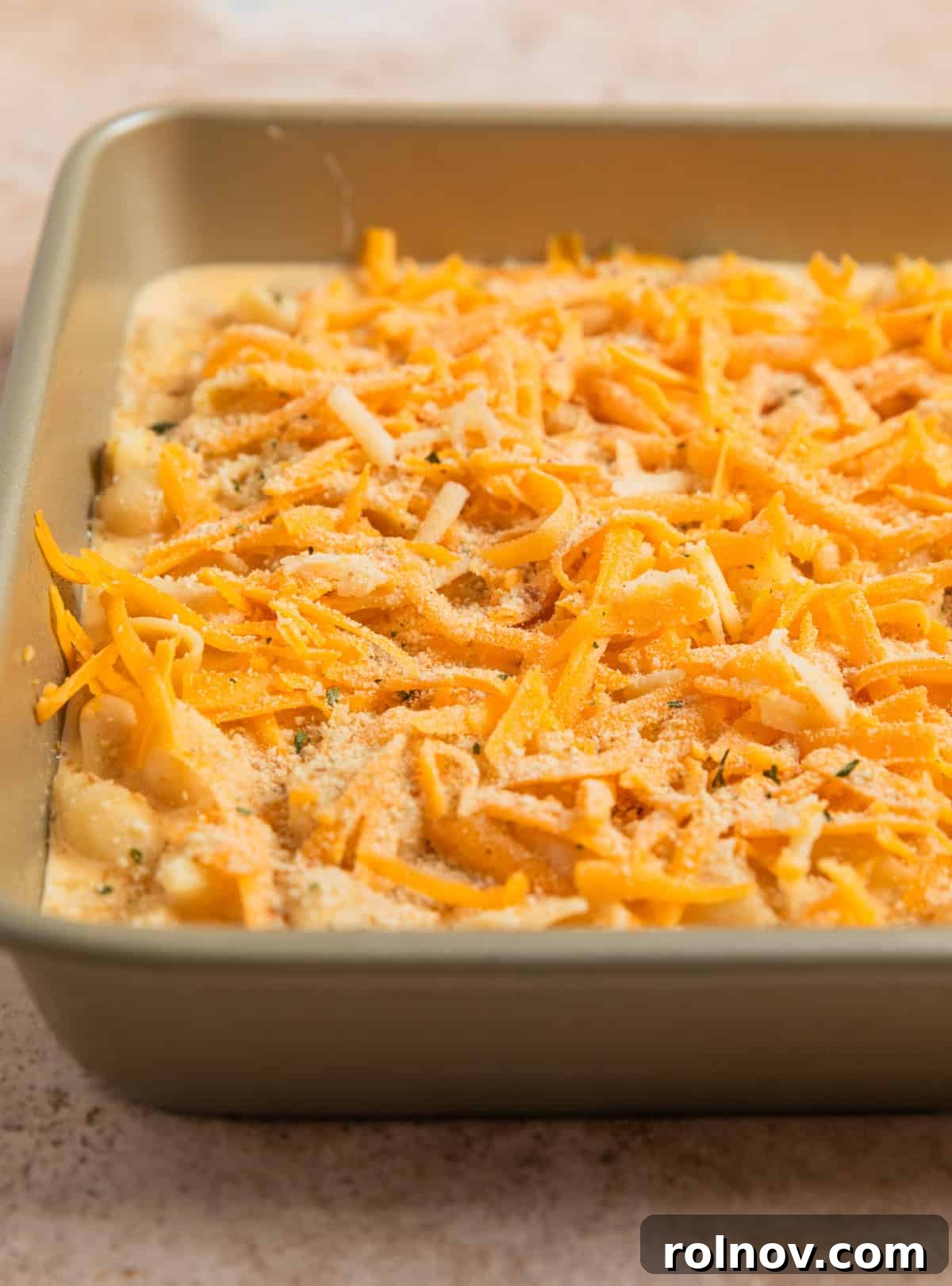
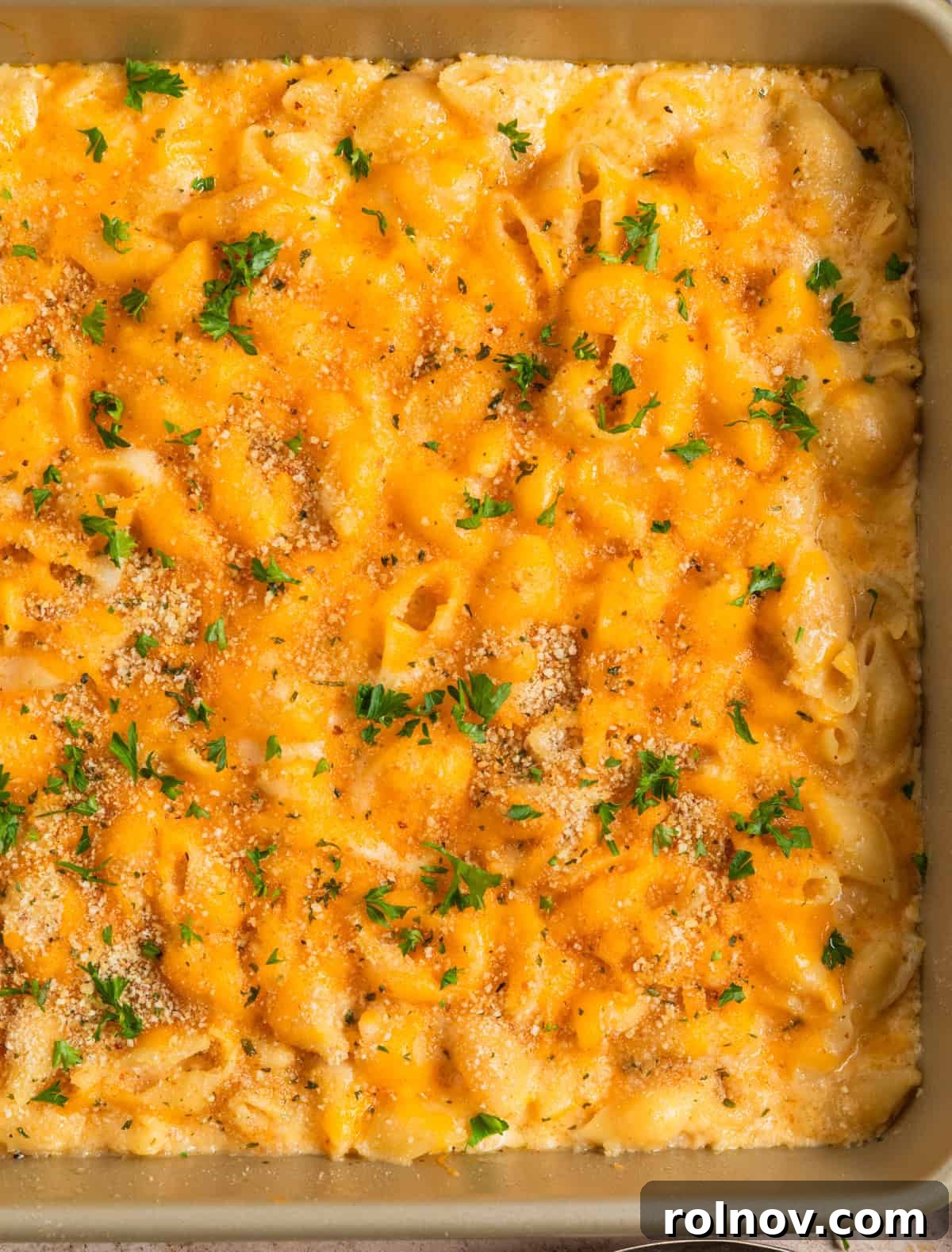
Step 6: Bake to Golden Perfection. Place the baking dish in the preheated oven and bake for 15-20 minutes, or until the cheese on top is beautifully melted, bubbly, and lightly browned. The pasta mixture underneath should also be gently bubbling. Once baked, remove from the oven and allow it to cool for about 10 minutes before serving. This cooling time helps the sauce set slightly, preventing it from being too runny and ensuring every spoonful is perfectly creamy.
Expert Tips for the Best Protein Mac and Cheese
- Opt for Full-Fat Dairy for Superior Results: While low-fat and nonfat Greek yogurt and milk might seem like healthier choices, they are significantly more prone to curdling when heated. Full-fat dairy products provide a richer, creamier texture and a more stable sauce, drastically reducing the risk of a grainy or separated sauce. For a truly indulgent and foolproof mac and cheese, full-fat is the way to go.
- Always Use Freshly Shredded Cheese: Pre-shredded packaged cheeses often contain anti-caking agents like cellulose, which prevent the cheese from melting as smoothly and evenly as cheese shredded right off the block. Taking a few extra minutes to shred your own cheese will result in a dramatically creamier, more luxurious sauce.
- Avoid Overcooking the Pasta: For baked mac and cheese especially, it’s crucial to cook your pasta just until it’s al dente. The pasta will continue to absorb liquid and cook further in the oven. If you start with overcooked, soft noodles, they will turn mushy and soggy, compromising the texture of your entire dish. Aim for a slight chewiness when you drain it.
- Choose Pasta Shapes That Embrace the Sauce: The best mac and cheese allows for a perfect sauce-to-pasta ratio in every bite. Shapes like shells are excellent because their curved interiors act as tiny pockets, scooping up and holding onto that luscious cheese sauce. Elbow macaroni, cavatappi, or even small spirals are also fantastic choices that ensure maximum cheesiness.
- Explore Beyond Chickpea Pasta: While chickpea pasta is a fantastic gluten-free and high-protein option, don’t feel limited! There’s a growing variety of protein-enriched pastas made from lentils, brown rice, or even fortified wheat. Experiment to find your favorite texture and flavor profile.
What to Serve with Your High-Protein Mac and Cheese
This protein-packed mac and cheese is hearty enough to be a complete meal on its own, but it also pairs beautifully with a variety of side dishes to create a more extensive spread. Here are some delicious ideas:
- Grilled or Baked Chicken: A simple grilled chicken breast or baked chicken thighs complement the richness of the mac and cheese without overpowering it.
- BBQ Chicken: Break out the slow cooker and make this Simple Slow Cooker Shredded BBQ Chicken to serve alongside this protein Mac and Cheese. The sweet and savory notes of BBQ chicken create a perfect flavor balance.
- Burgers: Burgers and mac and cheese are a classic pairing. Try these Sun-Dried Tomato, Spinach and Feta Turkey Burgers for a Mediterranean twist or my absolute FAVORITE Cilantro Lime Black Bean Burgers for a flavorful vegetarian option.
- Salmon: For a healthier protein option, consider Butter Herb Instant Pot Salmon. Its delicate flavor and flaky texture provide a lovely contrast.
- Roasted Vegetables: A vibrant side of roasted vegetables like Roasted Maple Balsamic Brussels Sprouts with Pecans or simple roasted broccoli adds freshness, fiber, and an earthy flavor that balances the richness of the cheese.
- Chicken Tenders: We love Mac and Cheese with Chicken Fingers. These Cornmeal Crusted Baked Chicken Tenders are always a hit in our house and make for a fun, comforting meal.
- Fresh Green Salad: A crisp green salad with a light vinaigrette is always a good choice to cut through the richness of mac and cheese.
If you’re exploring dairy-free pasta dishes, you may also love this Garlic Cashew Cream Sauce for a surprisingly creamy and flavorful alternative!
Customizing Your Protein Mac and Cheese
This recipe is incredibly versatile, allowing for numerous delicious customizations to suit your taste and dietary preferences:
- Add Vegetables: Boost the nutritional value and color by stirring in steamed broccoli florets, sautéed spinach, peas, or even roasted butternut squash towards the end of cooking.
- Spice It Up: For a kick, add a pinch of cayenne pepper, a dash of hot sauce, or a small amount of finely diced jalapeño to the cheese sauce.
- Different Cheeses: While cheddar is classic, feel free to experiment with other melting cheeses. Gruyere, fontina, smoked gouda, or even a touch of cream cheese can add unique flavor dimensions and extra creaminess.
- Crispy Toppings: Beyond breadcrumbs, consider crushed crackers, crispy fried onions, or even crumbled bacon for an extra layer of texture and flavor when baking.
- Herbs: Fresh herbs like chives or thyme can be stirred into the sauce or sprinkled on top for a fragrant finish.
Storage and Reheating Tips
Enjoying your delicious protein mac and cheese beyond the first serving is easy with these tips:
- Storing Leftovers: Allow any leftover mac and cheese to cool completely before transferring it to an airtight container. Store in the refrigerator for up to 3-4 days.
- Freezing: This mac and cheese freezes surprisingly well, especially the baked version. Portion cooled leftovers into freezer-safe containers or wrap tightly in foil and then plastic wrap. Freeze for up to 2-3 months. Thaw in the refrigerator overnight before reheating.
- Reheating (Stovetop): For stovetop mac and cheese, gently reheat in a saucepan over medium-low heat, adding a splash of milk or broth to loosen the sauce and restore its creaminess. Stir frequently to prevent sticking.
- Reheating (Microwave): For individual portions, microwave on medium heat, stirring every minute, until heated through. Add a teaspoon of milk if it appears too dry.
- Reheating (Oven): For baked mac and cheese, cover the dish with foil and reheat in an oven preheated to 350°F (175°C) for 20-30 minutes, or until heated through. Remove the foil for the last 5-10 minutes if you want to crisp up the topping again.
Frequently Asked Questions (FAQ)
- Can I make this recipe gluten-free?
- Absolutely! Simply choose a gluten-free protein pasta, such as chickpea or lentil pasta. All other ingredients in this recipe are naturally gluten-free.
- Can I use different types of cheese?
- Yes, feel free to experiment! While cheddar is a classic, a blend of sharp cheddar with Gruyere, Monterey Jack, or even a touch of smoked Gouda can add exciting new flavors. Just ensure they are good melting cheeses.
- Is it possible to make this ahead of time?
- You can prepare the cheese sauce a day in advance and store it in the refrigerator. When ready to serve, gently reheat the sauce, cook the pasta, and combine. If baking, you can assemble the entire dish (without baking) up to a day ahead, cover it, and refrigerate. Add an extra 10-15 minutes to the baking time if baking from cold.
- Why did my sauce curdle?
- Curdling usually occurs when dairy is heated too quickly or at too high a temperature, especially with lower-fat products. Always use full-fat dairy and keep the heat low and gentle when melting the cheese. Whisking continuously also helps.
- How can I increase the protein even further?
- You can stir in cooked, shredded chicken or turkey, or even lean ground beef to the finished mac and cheese. Adding nutritional yeast to the sauce can also give a slight protein boost and cheesy flavor.
HUNGRY FOR MORE? Subscribe to my newsletter and follow me on Facebook, Instagram and Pinterest for all the latest recipes and kitchen inspiration!
Protein Mac and Cheese
Ingredients
- 8 oz. protein pasta, or pasta of choice
- ¾ c plain Greek Yogurt*
- 1 – 1½ c whole milk
- 2 T unsalted butter
- 2½ c your favorite shredded cheddar cheese, I use a combo of mild and white cheddar
- ½ c panko/breadcrumbs, gluten free if needed
- ½ tsp garlic powder
- ½ tsp paprika
- ½ tsp cracked pepper
- ½ tsp sea salt, more to taste
- dash of crushed red pepper, optional
Instructions
- Preheat oven to 375°F (190°C).
- Boil and cook pasta as directed by box instructions until al dente. Drain and set aside.
- In a separate sauce pan (or the same pot, but cooled for a few minutes), whisk together the Greek yogurt, butter and milk over low heat until smooth. Add in one cup of shredded cheese and stir, allowing to melt. You can increase the heat slightly to medium-low to help the cheese melt.
- Add another cup of cheese and melt. Stir in seasonings, salt and pepper. Add the cheese sauce to the pasta and stir to combine. If serving from stovetop, adjust seasoning to taste and serve immediately!
- If baking, pour cheesy pasta into a small (8×8, 9×9 or a casserole dish) baking pan that has been greased with spray oil.
- Sprinkle with remaining shredded cheese (more as desired) and panko or breadcrumbs.
- Bake for 15-20 minutes or until cheese on top is melted and browned and pasta is lightly bubbling. Let cool for 10 minutes before enjoying!
Notes
- Use full-fat dairy for best results. Low-fat and nonfat Greek yogurt and milk are much more likely to curdle when heated than full-fat dairy products. While some readers have found success with them, using full-fat is recommended to avoid any risks.
- Use freshly shredded cheese. Packaged shredded cheese is often coated in cellulose, which prevents it from melting as smoothly and creamily as cheese shredded fresh off the block.
- Don’t overcook your noodles. Drain the pasta when it’s still a touch chewy, especially if you plan on baking it. This prevents the pasta from becoming mushy or soggy when it continues to cook in the oven.
- Choose pasta that allows for the most possible cheese in every bite. Shells are excellent because their shape creates little cheese pockets! Any short pasta that can effectively hold more sauce is always a great idea.
- You don’t have to use chickpea pasta. There are many other protein-enriched pasta options available that you might prefer, such as lentil pasta or wheat-based protein pasta.
Nutrition
Carbohydrates: 31g,
Protein: 25g,
Fat: 18g,
Saturated Fat: 10g,
Polyunsaturated Fat: 1g,
Monounsaturated Fat: 4g,
Trans Fat: 1g,
Cholesterol: 51mg,
Sodium: 557mg,
Potassium: 221mg,
Fiber: 6g,
Sugar: 10g,
Vitamin A: 544IU,
Vitamin C: 1mg,
Calcium: 451mg,
Iron: 4mg
Nutrition information is automatically calculated and should only be used as an approximation. It may vary based on specific ingredient brands and preparation methods.
Did you enjoy this recipe? Have a question?
Leave a comment below!
Shop This Post: Essential Tools for Your Kitchen
To help you create this fantastic mac and cheese and other culinary delights, here are some recommended kitchen tools:
A good quality box grater is indispensable for freshly shredding cheese, ensuring the smoothest and creamiest cheese sauce every time. It’s also great for zesting citrus and grating vegetables.