
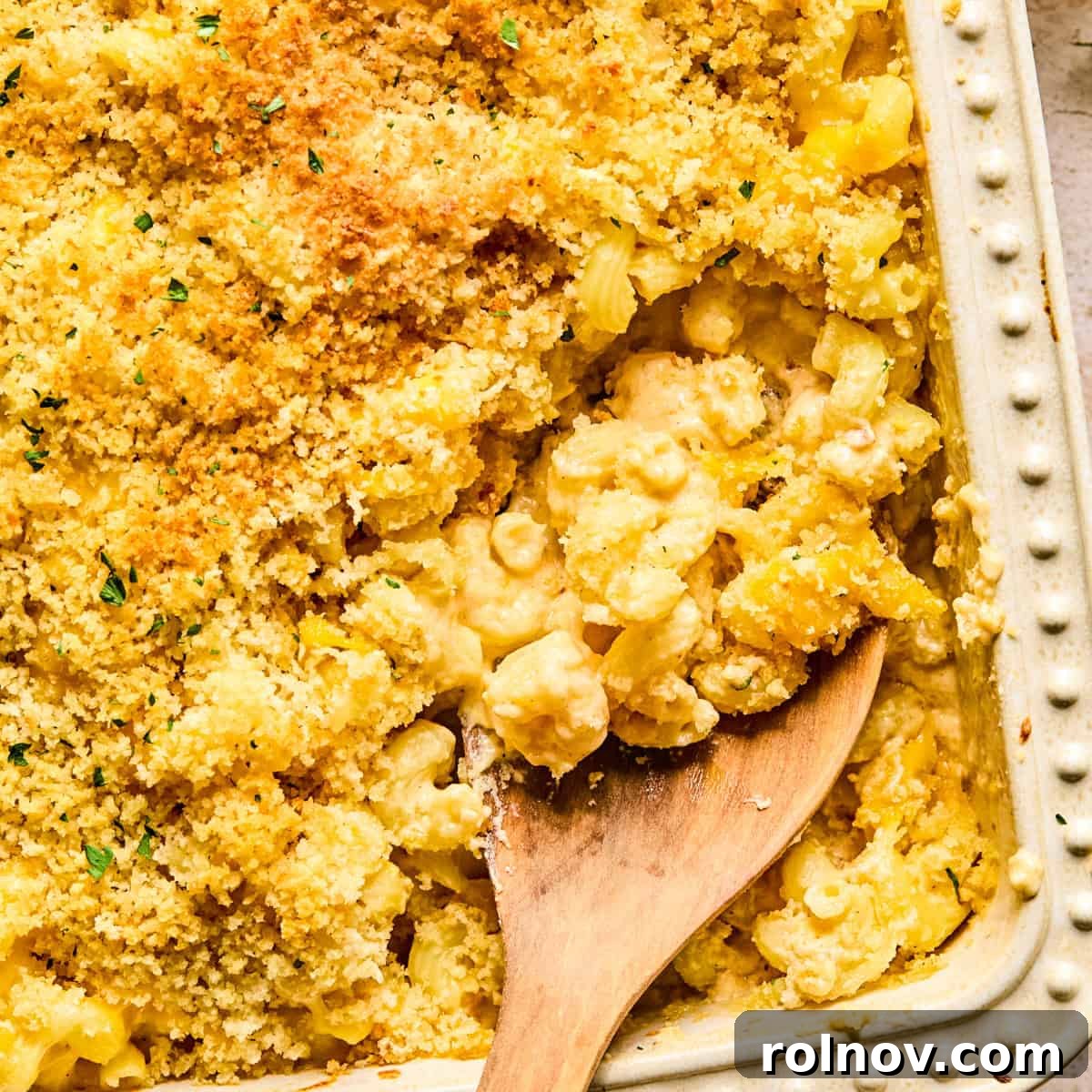
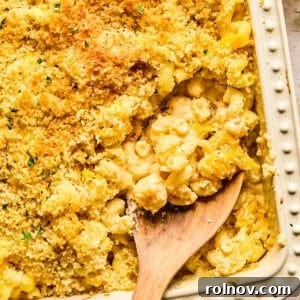
Transform your standard macaroni and cheese into an extraordinary culinary delight with this outrageously cheesy and exquisitely creamy Cheddar Gruyère Mac and Cheese. This recipe is wonderfully simple to prepare, offering the flexibility to be enjoyed either bubbling hot from the oven with a golden crust or lusciously smooth straight from the stovetop. It’s the quintessential dish, perfect as a hearty main course or a luxurious side for any festive holiday feast or special gathering!
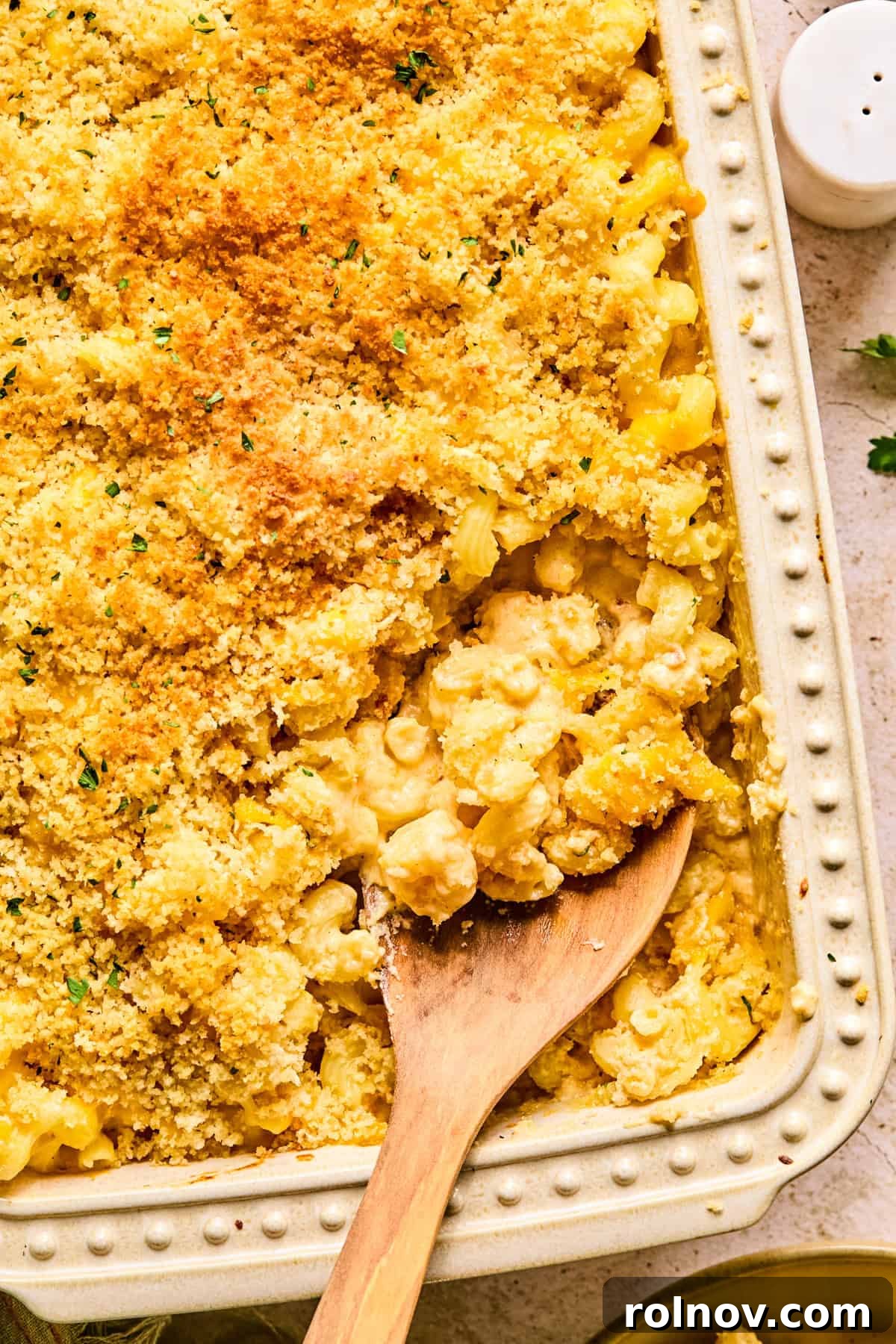
Macaroni and cheese stands as the universal symbol of comfort food, a dish that speaks directly to the soul. Our version, featuring a sophisticated blend of cheddar and Gruyère, elevates this classic to new heights. The resulting dish is so incredibly flavorful and satisfying, making it the ideal companion for any meal – be it a special holiday celebration that calls for something truly impressive, or a cozy, comforting weeknight dinner.
Forget the boxed mixes tonight and treat yourself and your loved ones to an experience that will have everyone exclaiming “WOW!” This recipe guides you through crafting a perfectly creamy, rich cheese sauce, generously tossed with your favorite pasta, ensuring every bite is a moment of pure bliss.
If your love for mac and cheese runs as deep as ours, we invite you to explore other delightful variations, such as our protein-packed baked mac and cheese for a wholesome twist, or our easy Instant Pot Mac and Cheese for a quick and convenient option.
Why This Cheddar Gruyère Macaroni and Cheese Will Become Your New Favorite
There are countless reasons why this particular mac and cheese recipe is destined to become a staple in your culinary repertoire. It’s more than just a dish; it’s an experience crafted for comfort and delight.
- Unmatched Versatility: Enjoy it Baked or Stovetop. Whether you crave the pure, molten creaminess of a stovetop mac and cheese or the irresistible golden-brown crust and gooey interior of a baked version, this recipe delivers. The stovetop method yields an incredibly smooth, luxurious sauce that coats every noodle. Opting to bake adds a delightful textural contrast with crispy breadcrumbs and a beautifully caramelized cheese topping. No matter your preference, both preparations are utterly fantastic!
- Exquisitely Cheesy and Oh-So-Creamy. The secret to this mac and cheese’s unparalleled texture lies in the cheese blend, particularly the inclusion of Gruyère. Known for its superb melting capabilities, Gruyère is a staple in classic fondues. When incorporated into our sauce, it not only imparts a distinctive nutty and slightly sweet flavor but also contributes significantly to the sauce’s silky, luxurious creaminess. Paired with sharp cheddar, it creates a perfectly balanced and deeply satisfying cheese profile.
- Effortlessly Adaptable to Your Taste. This recipe is incredibly forgiving and open to customization. While traditional elbow macaroni is a classic choice, various short pasta shapes like shells, rotini, or cavatappi work wonderfully, each offering a unique way to capture and deliver that rich cheese sauce with every bite. If needed, this dish can easily be made gluten-free by using a 1:1 gluten-free all-purpose flour for the roux and your favorite gluten-free pasta. Moreover, while our blend of Gruyère and sharp cheddar is stellar, feel free to experiment with other melting cheeses to create your signature mac and cheese.
- Ideal for Meal Prepping and Convenient Weeknight Meals. Mac and cheese is a fantastic dish for preparing ahead. Make a large batch once, and enjoy delicious, comforting meals throughout the week. It reheats beautifully, making it a perfect solution for busy weeknights. When reheating, simply stir in a splash of milk or cream to restore its original creamy consistency if it appears a bit dry.
Delving Deeper: What is Gruyère Cheese?
Gruyère is a renowned semi-hard Swiss cheese, celebrated for its complex flavor and exceptional melting properties. Originating from the town of Gruyères in Switzerland, it boasts a pale yellow interior and a natural, hard rind. Its flavor profile is incredibly nuanced, starting mildly nutty and slightly sweet when young, and developing into a more assertive, earthy, and robust taste with fruity undertones as it ages. The texture is smooth and dense, making it a prime choice for dishes where a silky, consistent melt is desired.
Often featured in classic French onion soup, quiches, and, of course, fondue, Gruyère’s unique characteristics make it an indispensable ingredient in gourmet cooking. In this Cheddar Gruyère Mac and Cheese recipe, its inclusion is paramount. It doesn’t just add depth of flavor with its distinctive nutty notes; it also contributes significantly to the sauce’s luxurious, velvety smooth texture, transforming a simple dish into something truly extraordinary.
Essential Ingredients and Smart Swaps for Your Mac and Cheese
Creating the perfect mac and cheese begins with understanding each ingredient’s role. Here’s a breakdown of what you’ll need and how you can adapt it to your pantry and palate.
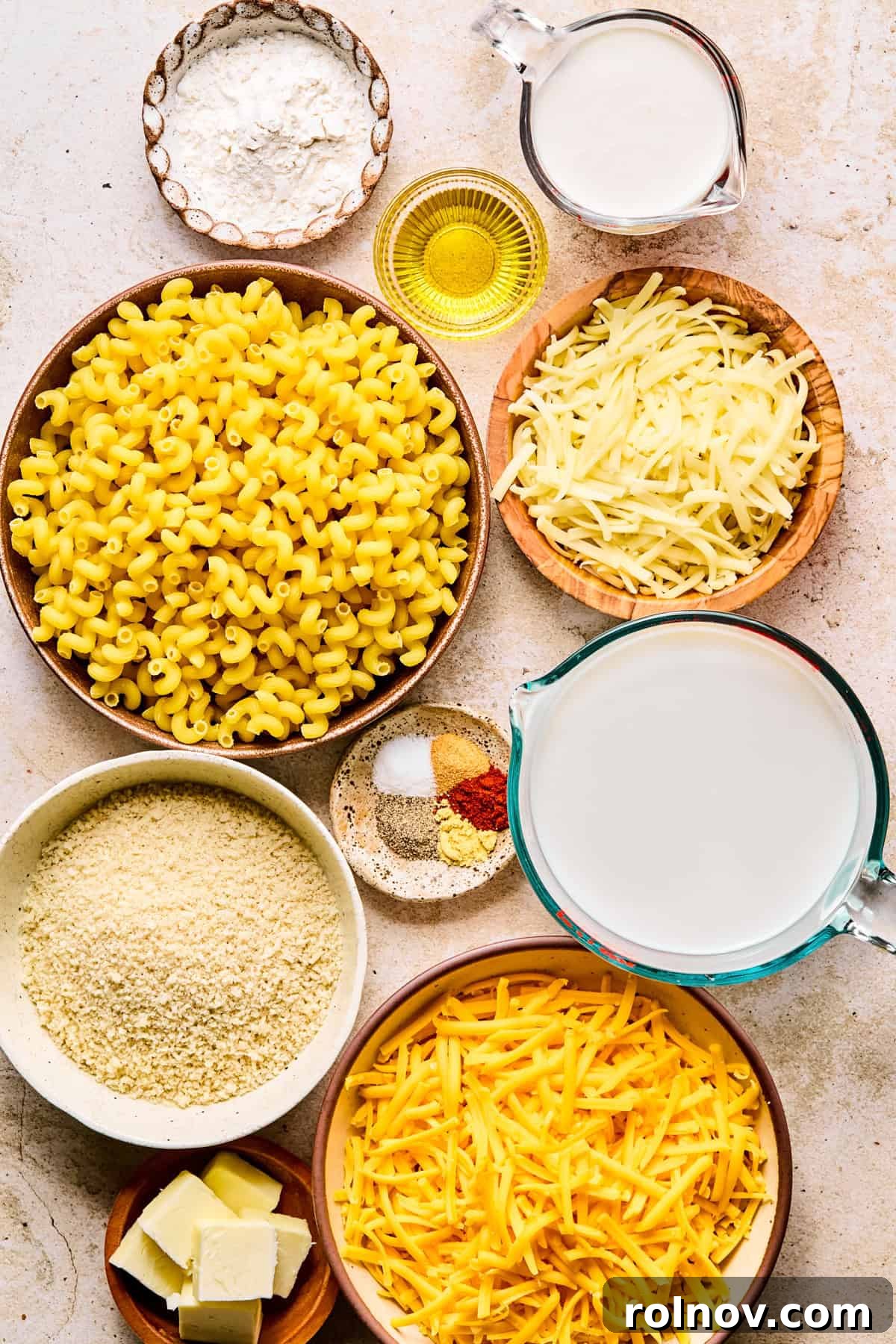
- Pasta: The Foundation of Flavor. The choice of pasta is crucial for a truly satisfying mac and cheese. Short, sturdy shapes with plenty of nooks and crannies are ideal for holding onto that luscious cheese sauce. Classic elbow macaroni is always a winner, but don’t hesitate to explore shells, rotini, cavatappi (corkscrew pasta), or even medium ziti. The goal is to maximize the cheese-to-pasta ratio in every single bite! Pasta like shells are particularly excellent as they literally cup the sauce inside, delivering an explosion of cheesy goodness.
- Flour: The Key to a Thick Sauce. All-purpose flour is an indispensable ingredient for creating the roux, which serves as the fundamental thickening agent for our rich cheese sauce. The roux provides the necessary body and prevents the sauce from becoming thin or watery. For those requiring a gluten-free option, a 1:1 gluten-free all-purpose flour blend can typically be substituted with excellent results, ensuring everyone can enjoy this creamy delight.
- Cream: For Unctuous Richness. Heavy cream adds an unparalleled richness and silky texture to the cheese sauce. It’s truly what transforms a good sauce into a gourmet experience. If you’re looking to lighten the sauce slightly without sacrificing too much creaminess, half-and-half can be used as a suitable substitute. However, for the most decadent and luxurious outcome, heavy cream is highly recommended.
- Milk: The Creamy Base. Whole milk is preferred for achieving the best possible consistency and flavor in your macaroni and cheese. Its higher fat content contributes significantly to the sauce’s richness and helps create that desirable velvety texture. While other types of milk can be used, we strongly advise against skim milk, as it tends to be too thin and can result in a less satisfying sauce. The full-bodied nature of whole milk complements the cheeses beautifully, ensuring a deeply flavorful and creamy result.
- Cheese: The Dynamic Duo of Gruyère and Sharp Cheddar. For a truly superior mac and cheese, a combination of Gruyère and sharp cheddar is simply divine. Gruyère offers its characteristic nutty, earthy notes and melts beautifully into a smooth, creamy consistency. Sharp cheddar brings a robust, tangy flavor that complements Gruyère perfectly. For the absolute best results, always freshly shred your own cheese from blocks. Pre-shredded cheeses are often coated with cellulose or other anti-caking agents that can hinder smooth melting and result in a slightly grainy sauce. While Gruyère can be a bit more expensive, a little goes a long way in imparting its distinctive flavor and creaminess, making it well worth the investment.
- Seasoning: Enhancing the Cheese. Our carefully selected blend of garlic powder, paprika, and ground dry mustard is designed to enhance, not overpower, the magnificent flavors of the cheeses. Garlic powder adds a subtle aromatic warmth, paprika contributes a hint of color and mild sweetness, and ground dry mustard is a classic secret ingredient in cheese sauces, helping to deepen the cheese flavor without making the dish taste like mustard. Keep these seasonings balanced to allow the cheese to truly shine.
- Breadcrumbs: The Perfect Crispy Topping (Optional). If you choose to bake your Gruyère mac and cheese, a crispy breadcrumb topping adds a delightful textural contrast. This is entirely optional; if you prefer, you can simply top your baked mac and cheese with an additional layer of shredded cheese for an extra gooey finish. Panko breadcrumbs are highly recommended for their superior crunchiness, creating an irresistible golden crust. For an alternative and equally delicious topping, many swear by crushed Ritz crackers, which add a buttery, savory crispness.
- Olive Oil (or Melted Butter): Binding the Topping. To achieve that perfectly golden and crispy breadcrumb topping, tossing the breadcrumbs with a small amount of olive oil or melted butter before sprinkling them over the mac and cheese is key. While melted butter is a traditional choice, olive oil offers a slightly different flavor profile and an equally effective binding agent. Feel free to use whichever you prefer or have on hand.
Step-by-Step Guide: Crafting Your Ultimate Cheddar Gruyère Mac and Cheese
Follow these detailed steps to create a truly unforgettable mac and cheese experience. Precision and patience are your best friends here!
- Prepare the Pasta to Perfection:
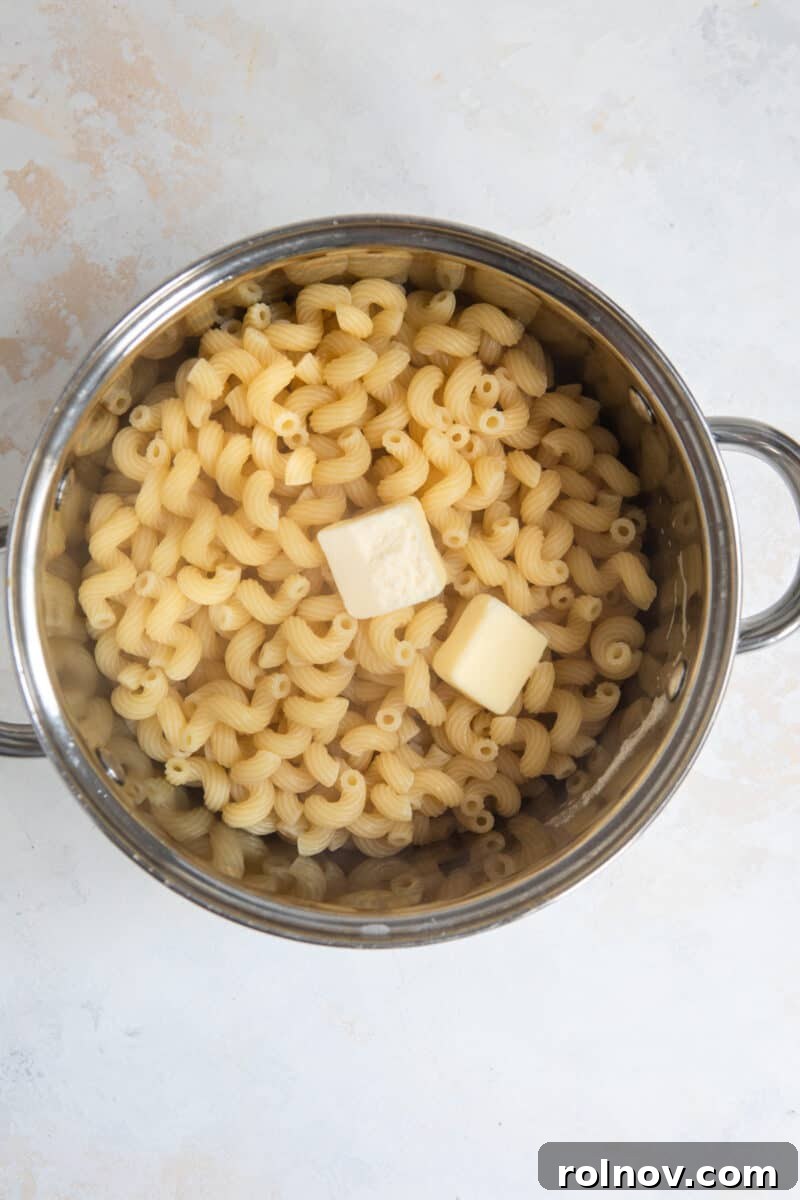
Begin by cooking your chosen short pasta according to the package instructions. Aim for an al dente texture – meaning it should be firm to the bite, as it will continue to cook slightly when combined with the hot cheese sauce, and even more so if you choose to bake it. Ensure you generously salt the boiling water; this is your only chance to season the pasta itself! Once cooked, drain the pasta thoroughly and return it to the empty pot. Toss immediately with two tablespoons of butter. This step is crucial; the butter not only adds flavor but also prevents the pasta from sticking together, absorbing excess liquid, or becoming mushy. Set the buttered pasta aside.
Mastering the Velvety Cheese Sauce:
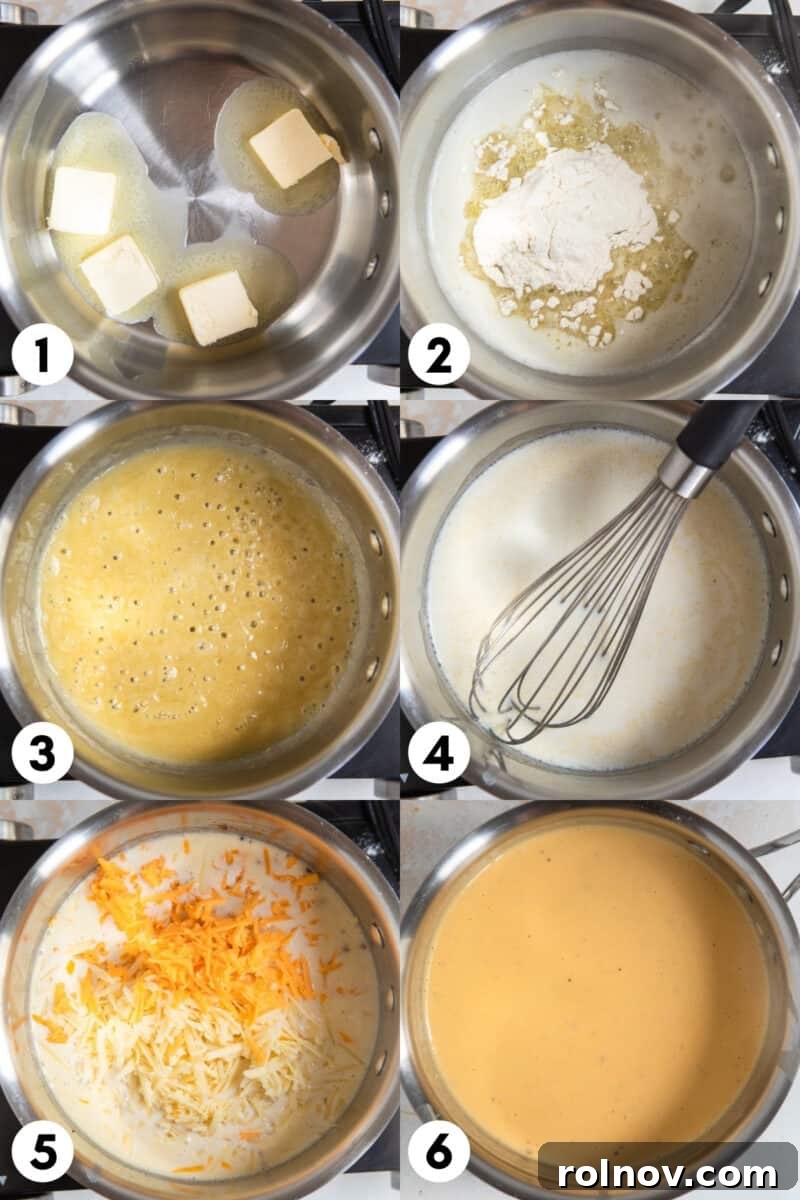
- Craft the Roux: In a large, heavy-bottomed saucepan or Dutch oven, melt the remaining butter over medium heat. Once the butter is fully melted and slightly shimmering, add the flour.
- Whisk and Cook the Roux: Immediately begin whisking constantly. Continue to whisk for about one to two minutes, until the mixture is fully combined and forms a smooth paste (the roux). It should achieve a light golden-blonde color and smell slightly toasty, like pie crust. Be vigilant and ensure it does not burn; if your stovetop runs hot, reduce the heat to medium-low.
- Slowly Incorporate Milk and Cream: Gradually, very slowly, pour in about 2 cups of the whole milk, whisking continuously and vigorously as you add it. This is key to preventing lumps and ensuring a perfectly smooth sauce. Once the initial milk is incorporated, stir in the remaining milk and the heavy cream. Add the garlic powder, ground mustard, paprika, sea salt, and black pepper.
- Thicken the Sauce: Continue to heat the mixture over medium heat, whisking regularly, for several minutes. The sauce will gradually thicken to a consistency similar to a creamy soup or thin gravy. You’ll know it’s ready when it coats the back of a spoon.
- Melt the Cheeses: Once the sauce has reached the desired thickness, remove the saucepan from the heat. This is important to prevent the cheese from seizing or becoming stringy. Immediately stir in the freshly shredded cheddar and Gruyère cheeses, about half at a time. Whisk continuously until the cheese is completely melted and smoothly incorporated into the sauce, creating a rich, velvety cheese sauce.
- Adjust Seasoning: Taste the sauce and adjust the salt and pepper as needed. Remember, the cheese itself is salty, so season gradually.
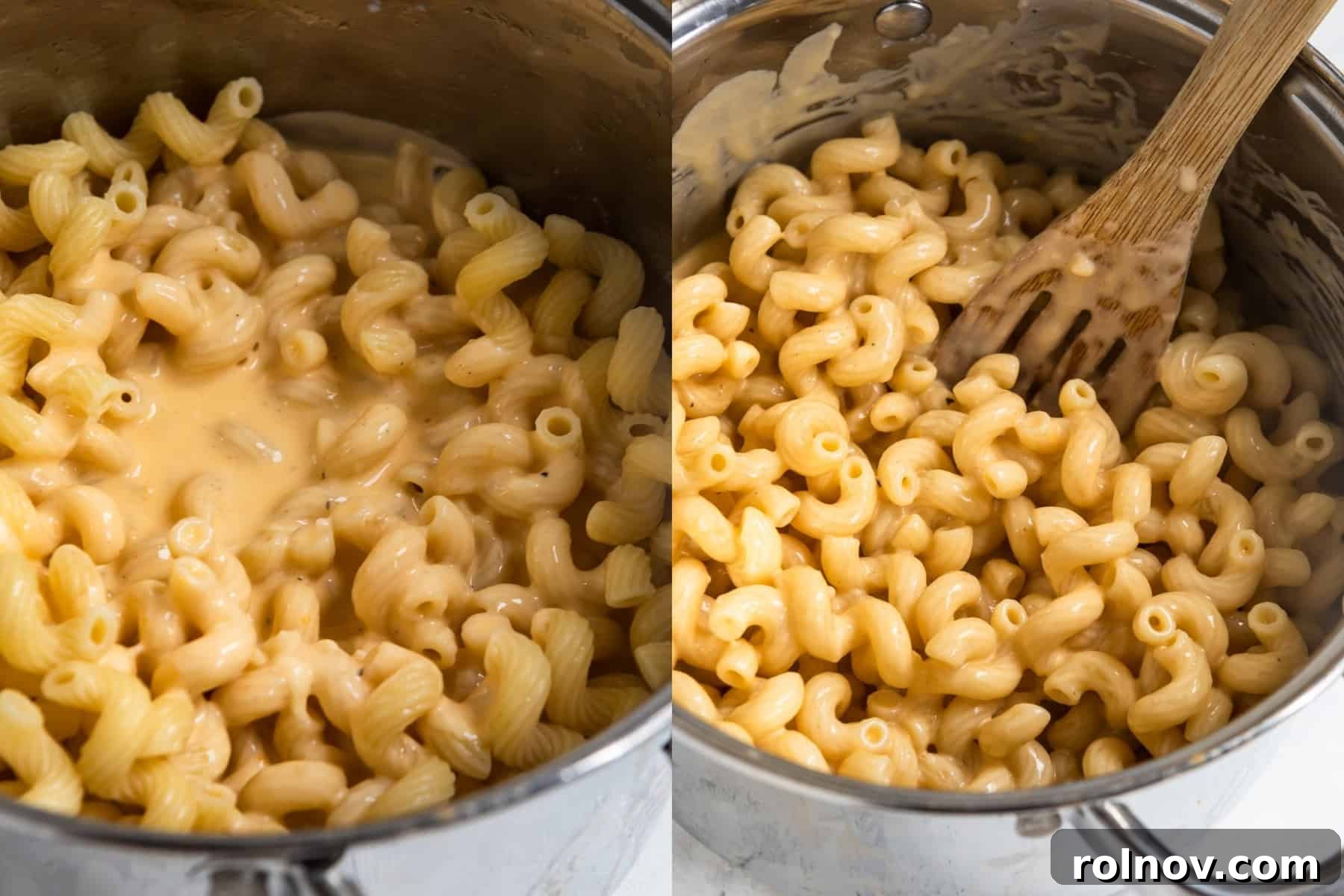
Combine Pasta and Sauce: Once your glorious cheese sauce is ready, pour it generously over the prepared, buttered pasta in the large pot. Stir gently but thoroughly to ensure every single strand and curve of pasta is completely coated in the rich, creamy sauce. If you prefer to enjoy your mac and cheese stovetop, simply return the pot to medium-low heat and stir for a minute or two until everything is warmed through and beautifully melded. You are now ready to serve and savor this incredible dish! If you’re craving that crispy topping and gooey baked interior, read on for baking instructions!
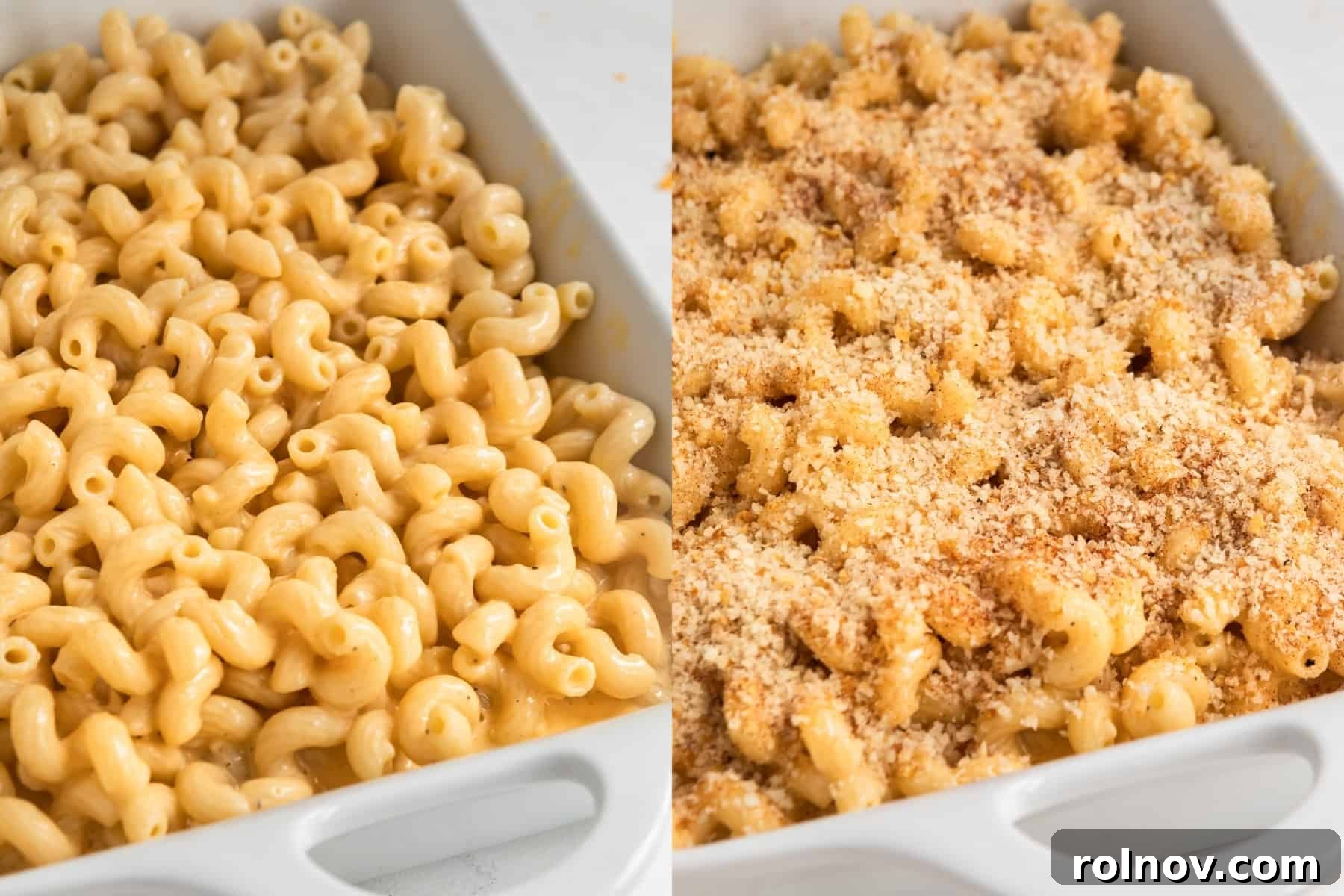
For the Baked Version: Achieving Golden-Brown Perfection: If you desire a baked mac and cheese with a delightful crust, preheat your oven to 350°F (175°C). Lightly grease a 9×13 inch casserole dish or baking pan. Transfer the cheesy pasta mixture evenly into the prepared dish.
For an extra layer of decadence, sprinkle any reserved shredded cheese (from the original recipe instructions, or an additional cup if desired) over the top of the pasta. Next, prepare your breadcrumb topping: in a small bowl, combine the breadcrumbs with 1½-2 tablespoons of olive oil or melted butter, tossing to ensure the breadcrumbs are evenly coated. This helps them crisp up beautifully in the oven. Evenly sprinkle this seasoned breadcrumb mixture over the layer of cheese. As mentioned previously, the breadcrumbs are optional; a simple cheese topping is equally delicious.
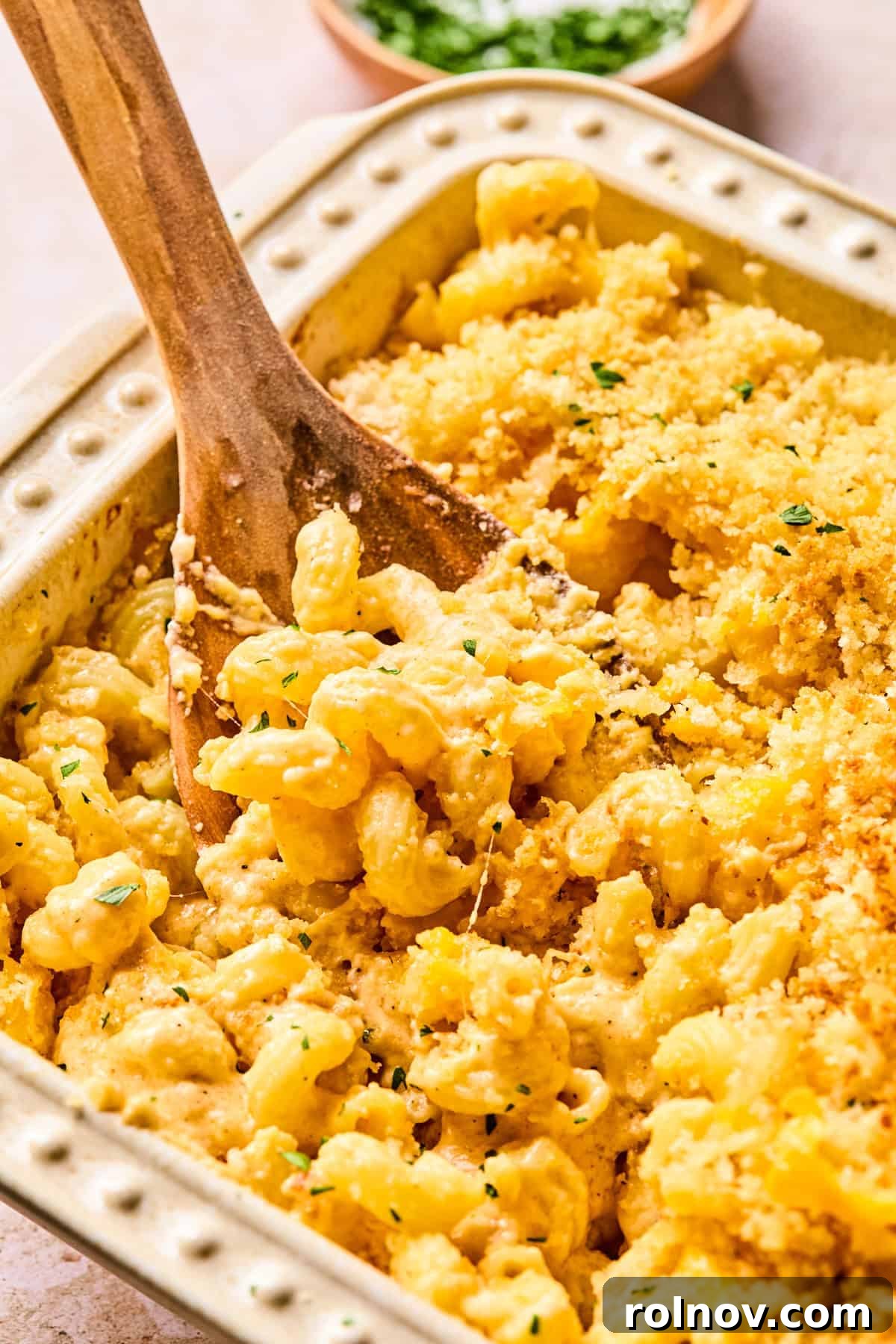
Bake the mac and cheese for approximately 15-20 minutes, or until the cheese is bubbly around the edges, thoroughly melted, and the breadcrumbs have turned a beautiful golden brown. For an extra crispy, deeply golden topping, you can briefly broil the dish for 2-3 minutes at the very end, keeping a close eye on it to prevent burning.
Expert Tips for Mac and Cheese Perfection:
- Never Overcook Your Pasta. This is perhaps the most critical tip. Pasta should be cooked to an al dente stage, especially if you intend to bake the mac and cheese. Overcooked pasta will become mushy and lose its desirable texture once combined with the hot sauce and potentially baked further. A slight firmness ensures the noodles hold up beautifully.
- Consistent Stirring is Key for the Sauce. When preparing your roux and cheese sauce, continuous stirring is essential. This prevents the flour from burning and ensures the milk and cream integrate smoothly, avoiding lumps and scorching. Burned ingredients, particularly milk, will impart an undesirable flavor to your entire dish.
- Embrace Full-Fat Ingredients. For a truly decadent and flavorful mac and cheese, do not shy away from fats. Whole milk, heavy cream, and full-fat cheeses are instrumental in achieving that rich, creamy, and luxurious taste and texture that defines excellent macaroni and cheese. These ingredients are the backbone of its incredible flavor profile.
- Always Shred Your Own Cheese. While pre-shredded cheese offers convenience, it comes with a hidden cost: anti-caking agents like cellulose. These additives prevent the cheese from melting smoothly, often resulting in a grainy or clumpy sauce. Taking the extra step to shred cheese from blocks yourself ensures a silky, velvety sauce that melts perfectly every time. As an added bonus, block cheese is typically more economical than its pre-shredded counterpart!
- Control the Heat When Melting Cheese. Always remove the sauce from direct heat before adding your shredded cheeses. High heat can cause cheese to separate and become oily or stringy. The residual heat from the sauce is usually sufficient to melt the cheese smoothly and gently, resulting in a perfectly emulsified, creamy sauce.
- Season in Layers. Remember to salt your pasta water, and then season your cheese sauce to taste. Layering the seasoning ensures depth of flavor throughout the dish.
- Reheating Tips. For leftovers, gently reheat mac and cheese on the stovetop over low heat, adding a splash of milk or cream to bring it back to its original creamy consistency. Stir frequently to prevent sticking.
What Can I Substitute for Gruyère Cheese?
Gruyère cheese, while exceptional, can sometimes be a bit pricier or more challenging to locate than more common cheeses like cheddar. If you find yourself in this situation, don’t fret! Several excellent substitutes can provide a similar flavor profile and melting quality, ensuring your mac and cheese remains spectacular:
- Dubliner Cheese: A wonderful Irish cheese that offers a sharp, nutty flavor with a hint of sweetness, similar to a mature cheddar but with a slightly harder texture and a delicious crystalline crunch. It melts beautifully.
- Fontina: This Italian cheese is incredibly creamy and boasts a mild, nutty, and buttery flavor. It’s a fantastic melting cheese, creating a very smooth sauce.
- Emmental (Swiss Cheese): Often simply labeled as Swiss cheese, Emmental shares a similar origin and some flavor characteristics with Gruyère, including its nutty and fruity notes. It melts well and is more widely available.
- Jarlsberg: A Norwegian cheese, Jarlsberg is a mild, nutty, and slightly sweet cheese, often compared to Emmental. It melts smoothly and offers a pleasant richness.
- Raclette Cheese: A semi-hard Swiss cheese, Raclette is traditionally used for melting. It has a distinctive pungent aroma when heated but a delightful nutty and creamy flavor, making it a great option for a unique twist.
If you’re still having trouble finding any of these specific options, remember that the goal is a delicious, creamy melt and a balanced flavor. Feel free to use a combination of your favorite melting cheeses – perhaps a sharp white cheddar paired with a milder, nutty cheese like provolone or even a good quality mozzarella – to create your personalized version of this easy Gruyère mac and cheese recipe!
Serving Suggestions for Your Ultimate Mac and Cheese
This Cheddar Gruyère Mac and Cheese is hearty enough to be a standalone meal, but it also shines as an incredible side dish. Here are a few ideas to complete your culinary experience:
- With Protein: Serve alongside grilled chicken, roasted pork tenderloin, or a juicy steak. For a classic comfort pairing, it’s perfect with barbecued ribs or pulled pork.
- Freshness Factor: A crisp green salad with a light vinaigrette makes a fantastic contrast to the rich and creamy pasta. Steamed or roasted vegetables like broccoli, asparagus, or green beans also add a welcome freshness and balance.
- Holiday Feasts: This dish is a showstopper on any holiday table, complementing roast turkey, ham, or prime rib beautifully. Its comforting appeal makes it a family favorite during festive seasons.
- Spice It Up: For those who love a bit of heat, a sprinkle of red pepper flakes or a dash of hot sauce can add an exciting kick to each creamy bite.
Storing and Reheating Your Mac and Cheese
Proper storage and reheating ensure you can enjoy this delicious mac and cheese for days to come without compromising its creamy texture and rich flavor.
- Storage: Allow any leftover mac and cheese to cool completely before transferring it to an airtight container. Store it in the refrigerator for up to 4 days. Freezing is generally not recommended for optimal texture, as dairy-based sauces can sometimes separate upon thawing and reheating.
- Reheating on the Stovetop: This is the preferred method for maintaining creaminess. Place the desired portion of mac and cheese in a saucepan over low to medium-low heat. Add a splash of milk (about 1-2 tablespoons per serving) and stir gently but continuously until it’s heated through and creamy again. The added milk helps re-emulsify the sauce and prevents it from drying out.
- Reheating in the Oven: If you have a larger portion or prefer a baked finish, preheat your oven to 325°F (160°C). Transfer the mac and cheese to an oven-safe dish, add a splash of milk or broth over the top, and cover with foil. Bake for 15-25 minutes, or until heated through. For a crispy topping, remove the foil for the last 5-10 minutes.
- Reheating in the Microwave: For individual servings, the microwave is a quick option. Place mac and cheese in a microwave-safe bowl, add a tablespoon of milk, stir, and cover. Heat on medium power for 1-2 minutes, stirring halfway through, until hot. Be careful not to overheat, which can make the sauce oily.
HUNGRY FOR MORE? Subscribe to my newsletter and follow me on Facebook, Instagram and Pinterest for all the latest recipes and culinary inspiration!
Gruyère Mac and Cheese
Ingredients
- 1 lb short pasta (macaroni, cavatappi, shells, etc.)
- 6 Tbsp butter, divided
- ¼ cups flour
- 3 cups whole milk
- 1 cup heavy cream
- ½ tsp garlic powder, or 1-2 cloves minced
- ¼ tsp ground mustard
- ½ tsp paprika
- 1/2 tsp sea salt
- ½ tsp pepper
- 4 cups cheddar cheese, freshly shredded
- 2 cups gruyere cheese, freshly shredded
- 1⅓ c breadcrumbs
- 1½-2 Tbsp olive oil, or melted butter
Instructions
-
Prepare the Pasta: Cook the pasta al dente according to package directions, adding sea salt to the boiling water before adding pasta. Drain well and toss with 1 tablespoon of butter. Transfer the buttered pasta to a bowl to cool slightly while you prepare the sauce.
-
Prepare the Cheese Sauce: In a separate bowl, combine all the shredded cheddar and Gruyère cheese. Set aside 1½ cups of this shredded cheese mixture for later use (for topping if baking). In a large saucepan or Dutch oven, melt the remaining 5 tablespoons of butter over medium heat. Add the flour and whisk constantly for about 1-2 minutes to create a smooth roux. Whisk until it becomes a light golden brown color.
-
Slowly pour in two cups of the whole milk, whisking vigorously and constantly to ensure no lumps form. Once the mixture is smooth, add in the remaining milk and the heavy cream. Continue to stir regularly over medium heat until the mixture begins to thicken and gently bubble around the edges. It should thicken to approximately the consistency of a creamy soup.
-
Remove the pot from the heat. Stir in 2 cups of the combined cheddar and Gruyère cheese mixture until fully melted and smooth. Then, add the remaining 2½ cups of cheese and stir until melted and incorporated. Stir in the paprika, garlic powder, ground mustard, sea salt, and black pepper. Taste and adjust seasonings if necessary. At this point, you can serve the mac and cheese as a creamy stovetop dish, or proceed to the next step for baking.
-
Bake the Mac and Cheese (Optional): Preheat your oven to 350°F (175°C). Lightly grease a 9×13 inch baking pan or casserole dish. Pour the cheese-coated pasta into the prepared dish and gently toss to ensure the cheese sauce is evenly distributed. Pour any remaining cheese sauce from the pot over the top of the pasta. Evenly sprinkle the reserved 1½ cups of shredded cheese over the pasta. In a small bowl, whisk together the breadcrumbs and olive oil (or melted butter) until the breadcrumbs are lightly coated. Sprinkle this mixture evenly over the cheese layer. (For an extra crunchy topping, you can double the breadcrumb mixture).
-
Bake for approximately 15-20 minutes, or until the cheese on top is melted and bubbly, and the breadcrumbs are golden brown and crispy. Allow the mac and cheese to cool for about 10 minutes before serving. Store any leftovers in an airtight container in the refrigerator for up to 4 days.
Notes
- Don’t overcook the pasta. Overcooking the pasta will likely result in mushy noodles, especially if you end up baking this macaroni and cheese.
- Stir the sauce consistently to avoid burning. You don’t want to overcook the roux or any part of the sauce. Burned milk will come through in the flavor.
- Don’t skimp on fats. When it comes to a really good mac and cheese, its all about the real stuff. For all the flavor, use things like whole milk, full fat cheese, and cream, etc.
- Shred your cheeses! I know this is an extra step, but skip the pre-shredded as it doesn’t melt nearly as well. Bonus–cheese blocks are cheaper than pre-shredded cheese so you save some cash!
Nutrition
, Carbohydrates: 41g
, Protein: 22g
, Fat: 33g
, Saturated Fat: 20g
, Polyunsaturated Fat: 2g
, Monounsaturated Fat: 9g
, Trans Fat: 1g
, Cholesterol: 102mg
, Sodium: 498mg
, Potassium: 253mg
, Fiber: 2g
, Sugar: 5g
, Vitamin A: 1098IU
, Vitamin C: 1mg
, Calcium: 536mg
, Iron: 1mg
Nutrition information is automatically calculated, so should only be used as an approximation.
Did you enjoy this recipe? Have a question?
Leave a comment below!
Shop Essential Kitchen Tools for This Recipe:
To help you create this decadent Cheddar Gruyère Mac and Cheese with ease, here are some recommended kitchen tools and ingredients:
Glass 9×13 inch Baking Dish
Buy Now →
Pyrex Measuring Cup
Buy Now →
Box Grater
Buy Now →
Stainless Steel Pan
Buy Now →